

Diphenylamine (DPA) and Phenothiazine (PTZ): The "Versatile Player" and "Polymerization
Diphenylamine and phenothiazine are two fine chemical products that many people "sound unfamiliar but use every day." From tires and coatings to pharmaceuticals and fruit and vegetable preservation, they silently support the stable operation of many industries as "supporting actors." As a chemical technology company with an annual production capacity of 20,000 tons of diphenylamine and 5,000 tons of phenothiazine, this issue will introduce you to these two "unsung heroes" through a popular science article.
I. Diphenylamine (DPA): A versatile fine chemical with a wide range of applications
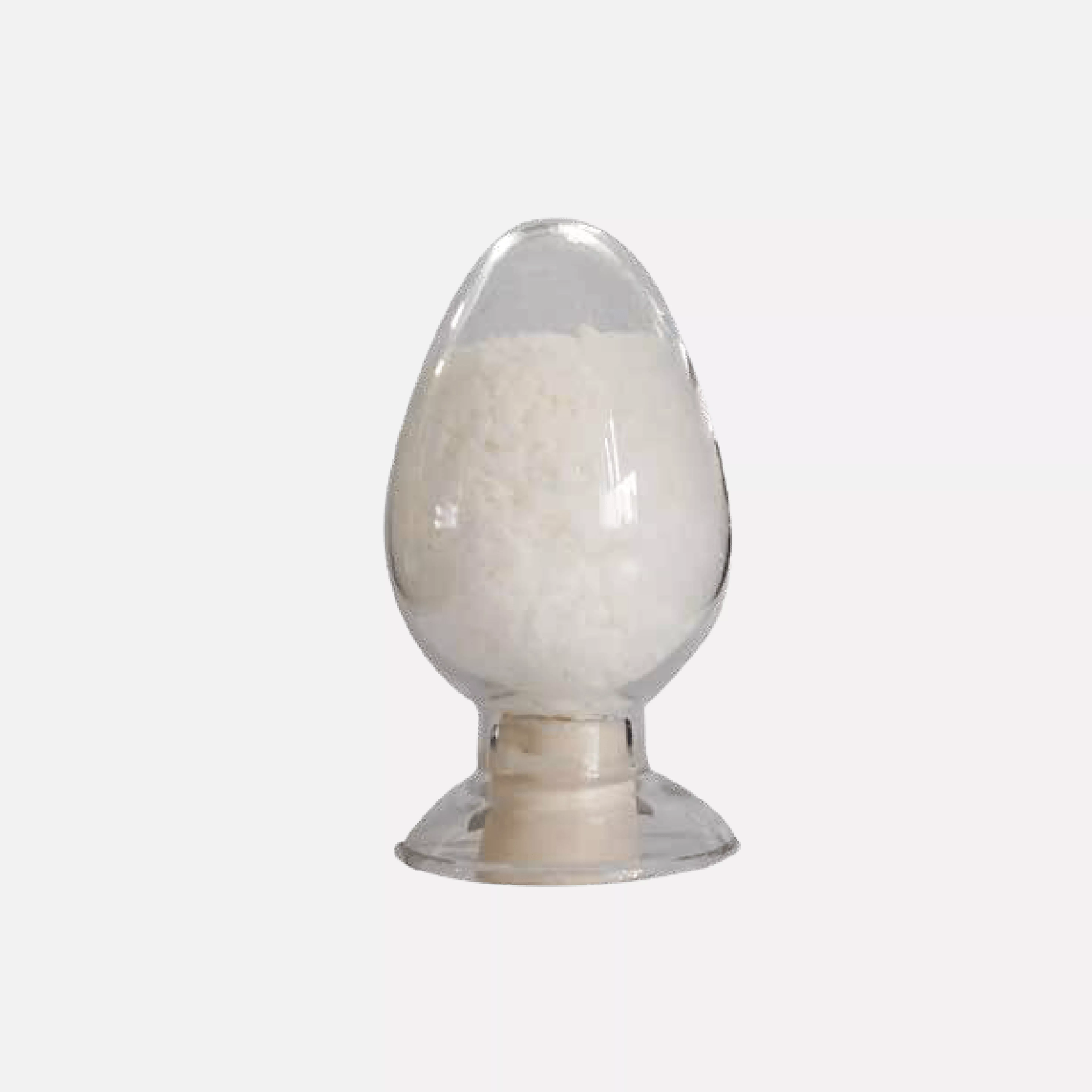
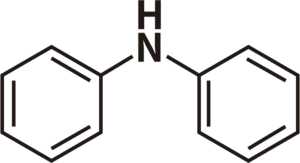
what is it?Diphenylamine (DPA), molecular formula C₁₂H₁₁N, is...childThe content is 169.22. It is a secondary aromatic amine consisting of two benzene rings linked by an imino group (—NH—). It appears as white to grayish-white crystals or flaky solids with a slightly floral odor. Its melting point is approximately 53 °C. It is sparingly soluble in water but readily soluble in organic solvents such as benzene, ethanol, and ether. It has a slight odor—it is easily and slowly oxidized upon exposure to light and air, gradually darkening in color.
Structural formula:
What can it do?Diphenylamine is a true "all-rounder," with downstream applications spanning multiple industries:
Rubber antioxidant raw materialsDiphenylamine and its derivatives are important antioxidant intermediates in the rubber industry, helping rubber products such as tires, hoses, and seals resist oxidation and aging, and extend their service life.
dye intermediatesAs a basic raw material for synthesizing various dyes and pigments, it is widely used in printing and dyeing, ink and other fields.
Explosive/Propellant StabilizerDiphenylamine is a classic stabilizer for nitrocellulose (smokeless gunpowder). It can absorb nitrogen oxides produced by the decomposition of gunpowder, delaying self-decomposition and extending the safe storage period. This is its traditional use in the defense industry.
Agricultural fruit and vegetable preservationIn the post-harvest storage of fruits such as apples and pears, diphenylamine is used as an antioxidant preservative to effectively inhibit "tiger skin disease" (browning) on the fruit peel, helping the fruit maintain its appearance and extend its shelf life.
Lubricating oil antioxidantsAlkylated diphenylamine is a high-temperature antioxidant additive for high-end lubricating oils and greases, which improves the thermal oxidation stability of the oil.
Pharmaceutical and fine chemical intermediatesIt participates in the synthesis of various pharmaceuticals, pesticides, and fine chemicals.
II. Phenothiazine (PTZ): A "polymerization inhibitor" for safe monomer production.
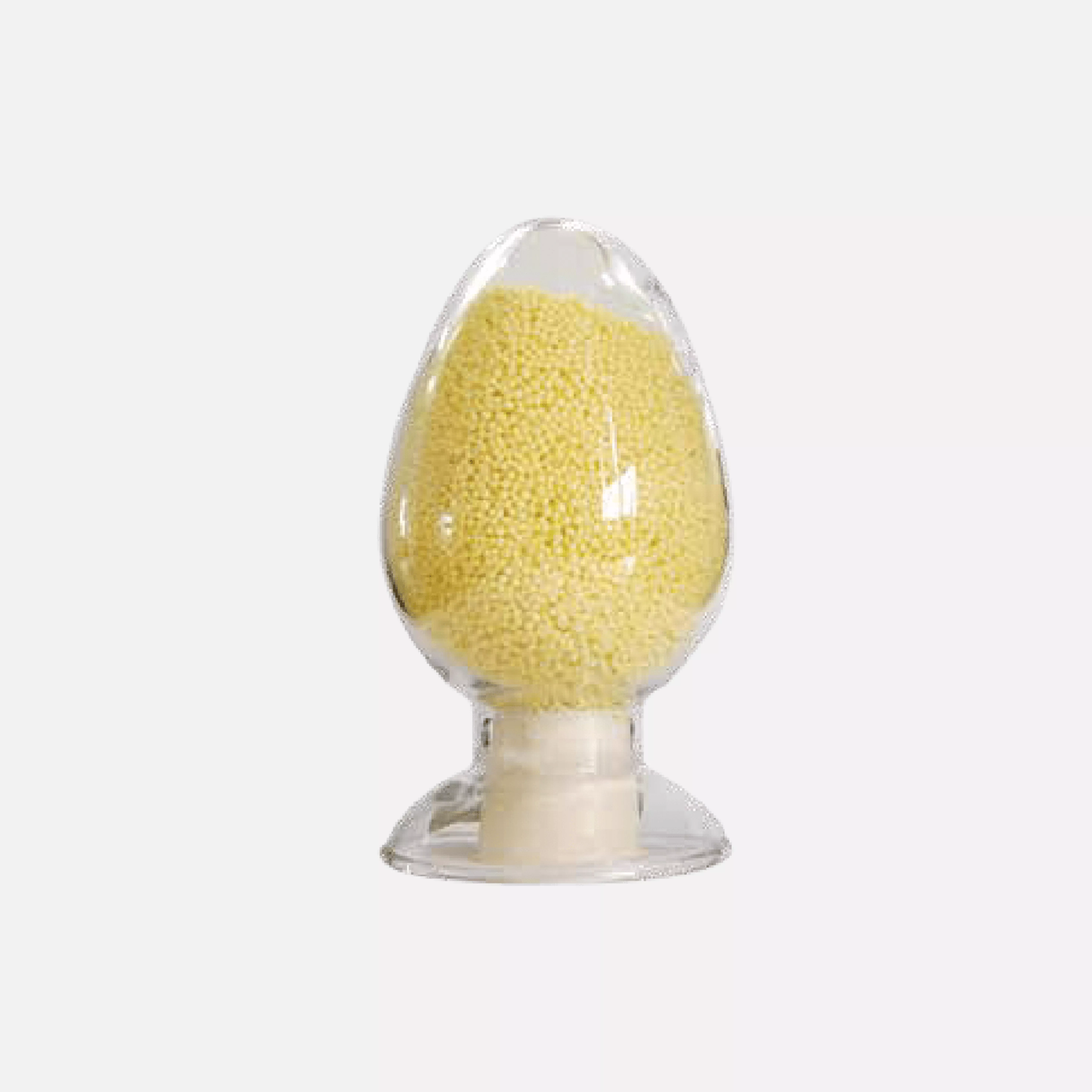
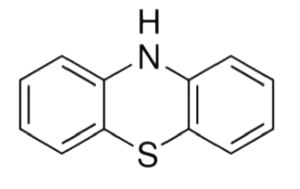
what is it?Phenothiazine (PTZ), with the molecular formula C₁₂H₉NS and a molecular weight of 199.27, is a tricyclic sulfur-containing nitrogen heterocyclic compound composed of two benzene rings bridged by nitrogen (N) and sulfur (S) atoms. It appears as a yellow to yellowish-green crystalline powder with a melting point of approximately 185 °C. It is insoluble in water but soluble in benzene and hot acetic acid. It is also photosensitive; exposure to light will cause it to oxidize and darken in color.
Structural formula:
Its most important identity is that of a highly efficient polymerization inhibitor.Acrylic acid, methacrylic acid and its esters, styrene, and other reactive monomers are prone to spontaneous polymerization during production, distillation, storage, and transportation. This can lead to minor issues like pipe blockage and quality problems, or more serious issues like exothermic runaway and safety accidents. Phenothiazine is a key additive that prevents this premature polymerization and is figuratively called a "polymerization inhibitor" for monomers. Its outstanding advantage lies in...It maintains good polymerization inhibition effect even under high temperature and oxygen-deficient conditions.Therefore, it is particularly useful in processes such as distillation and purification, and high-temperature pipelines.
Besides inhibiting polymerization, phenothiazines have multiple other roles:
Pharmaceutical CorePhenothiazines are the core framework of phenothiazines, from which various drugs such as antipsychotics, antihistamines, and antiemetics are derived. They are important pharmaceutical intermediates.
Veterinary deworming agentsTraditionally used as a deworming medicine for livestock (such as cattle, sheep, and poultry).
Dyes and antioxidantsIt can be used to synthesize dyes (such as methylene blue) and as an antioxidant in some systems.
III. A Shared Future: The Industrial Chain from Diphenylamine to Phenothiazine
Many people don't know,Diphenylamine is an important raw material for the synthesis of phenothiazine.Industrially, phenothiazine is often produced by heating diphenylamine and sulfur in the presence of a catalyst. This means that "DPA → PTZ" is a naturally connected industrial chain. Companies with production capacity for both products can form an integrated advantage in raw material security, quality coordination, and cost control, which is the value of the company's "integrated R&D and manufacturing" layout.
IV. Application Q&A: Frequently Asked Questions
Q1: Why does diphenylamine change color? Is there a quality problem?A: Diphenylamine will slowly oxidize when exposed to light and air, gradually darkening in color from white to gray or light yellow. This is a normal phenomenon and usually does not affect the main content or efficacy. To maintain appearance and quality, it is recommended...Store in a sealed, light-proof, cool, and dry place.Store away from fire, oxidizers and strong acids.
Q2: How much phenothiazine should be added as a polymerization inhibitor?A: There is no "one-size-fits-all" figure. The appropriate dosage depends on the type of monomer, temperature, residence/storage time, and whether the system contains oxygen, and is generally in the ppm range (tens to hundreds of ppm). For high-temperature, long-cycle operating conditions, the dosage can be appropriately increased. It is recommended to conduct a small-scale test to determine the optimal dosage before scaling up to actual production.
Q3: What are the differences between phenothiazine and polymerization inhibitors such as hydroquinone (HQ) and p-hydroxyanisole (MEHQ)?A: Many phenolic polymerization inhibitors, such as HQ/MEHQ, are needed.Oxygen participationOnly then can it fully exert its function, and it is more suitable for storage at room temperature with oxygen; while phenothiazine inHigh temperature and low oxygenEven under certain conditions, they maintain good polymerization inhibition effects and are commonly used in distillation, purification, and high-temperature pipeline processes. Both types of polymerization inhibitors are also frequently used in actual production.Compound usePlay to your strengths and avoid your weaknesses.
Q4: What precautions should be taken when transporting and storing these two products?A: Both shouldMoisture-proof, light-proof, fireproofTransport and store in accordance with relevant chemical/dangerous goods regulations. Phenothiazine will oxidize and change color when exposed to light, which generally does not affect normal use. However, for appearance and quality reasons, it is still recommended to store it in a light-proof and sealed container.
Q5: How do I determine if the product quality is up to standard after it arrives?A: Pay attention to key indicators such as appearance, content (purity), melting point, moisture, ash content, and color. Refer to the **Certificate of Account (COA)** provided by the manufacturer with the goods, and send for third-party retesting if necessary. Reputable companies guarantee batch stability and traceability of indicators.
Conclusion
From rubber tires to fruit and vegetable preservation, from monomeric safety production to pharmaceutical synthesis, diphenylamine and phenothiazine play indispensable roles in various industries. Hubei Purit Chemical Technology Co., Ltd., adhering to the philosophy of "quality first, integrity and win-win cooperation," relies on its integrated "DPA → PTZ" industrial chain and stable product quality to wholeheartedly provide reliable fine chemical raw materials and technical support to customers in various industries.
Friendly reminder: This article is for product information purposes only. For specific technical parameters, dosage, and application solutions, please refer to the actual working conditions, product test reports, and manufacturer technical support.


